Leaving the hospital can be a welcome milestone for an older adult and their family, but returning home does not always mean returning immediately to normal life. Medication changes, reduced mobility, weakness, new dietary needs, follow-up appointments, and difficulty completing everyday activities can make the days and weeks after hospitalization challenging.
Families may suddenly find themselves responsible for significantly more care than they provided before the hospital stay. At the same time, a senior may be well enough to return home but still benefit from professional support during the day.
For appropriate individuals, adult day health care can become part of the broader support system after hospital discharge. It provides structured daytime care while allowing the participant to continue living at home.
At South Amboy Adult Day Health Care Center, our adult day care services include skilled nursing, medication management, therapy services, nutritional support, transportation, personal care, socialization, and other services that can help eligible participants manage their health and daily needs.
Why Can Returning Home After a Hospital Stay Be Difficult for Seniors?
Hospitalization can disrupt nearly every part of an older adult’s normal routine. Even when the medical condition that led to hospitalization has stabilized, the individual may return home with different needs than they had before.
Families may notice:
- Reduced strength or mobility
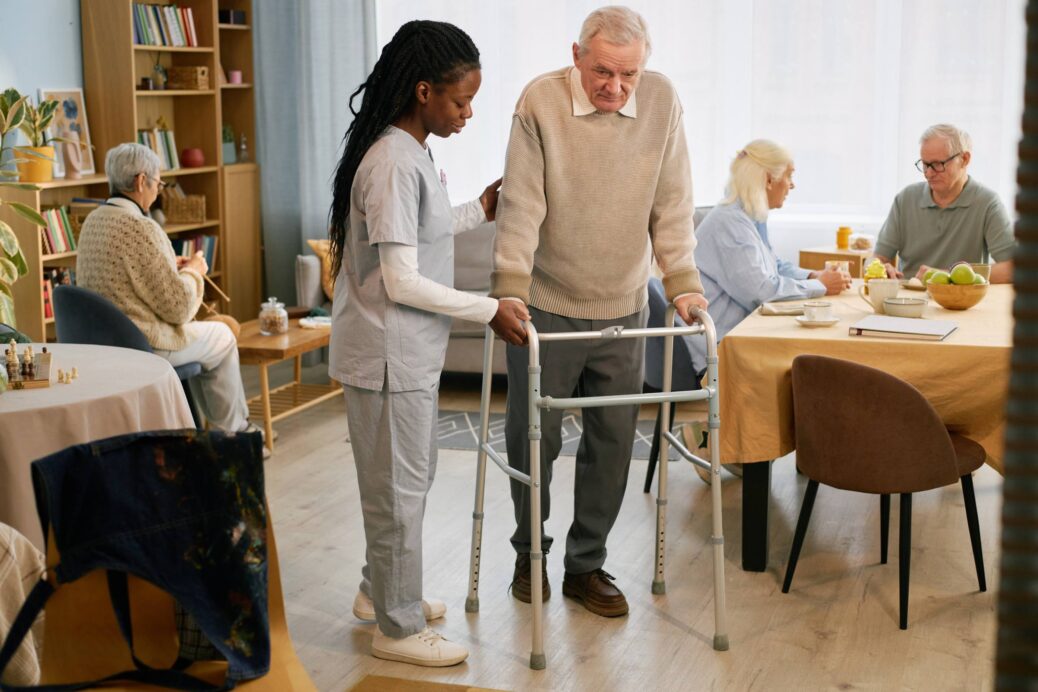
- Difficulty walking safely
- Changes in medication
- New dietary instructions
- Fatigue
- Difficulty bathing or dressing
- Greater dependence on caregivers
- New therapy needs
- Anxiety about another medical problem
- Difficulty getting to follow-up appointments
There may also be a significant difference between being medically cleared to leave the hospital and being ready to independently manage an entire day at home.
This is why discharge planning matters. Before leaving the hospital, families should understand the person’s medical instructions, medication schedule, follow-up care, therapy recommendations, and level of supervision needed at home.
What Care Does a Senior Need After Hospital Discharge?
There is no single post-hospital care plan that works for every senior.
The right support depends on why the person was hospitalized, their overall health, mobility, cognitive abilities, physician recommendations, home environment, and available family support.
Some people may require skilled home health services or short-term rehabilitation prescribed by their medical team. Others may return home but need additional daytime structure and assistance.
A post-hospital support plan may involve a combination of:
- Family caregiving
- Physician follow-up
- Home health care
- Outpatient rehabilitation
- Adult day health care
- Transportation assistance
- Medication support
- Nutritional support
Adult day health care should complement, rather than replace, medically necessary services prescribed by the individual’s physicians.
How Can Adult Day Care Help After a Hospital Stay?
Adult day health care can be particularly useful when an individual is able to live at home but needs more assistance during the day than family members can consistently provide.
Instead of spending the day alone, participants can attend a structured program where health, activity, nutrition, and social needs can be supported.
At South Amboy Adult Day Health Care Center, registered nurses are on site, and participants can have access to a variety of professional services based on their needs.
For families balancing work and caregiving, this can provide another layer of support during the transition back to community living.
Nursing Care and Health Monitoring
Health needs can change following hospitalization.
South Amboy ADHCC has licensed registered nurses on site to support participant health and safety. Nursing services can also include medication administration and assistance managing certain ongoing health conditions.
This can be valuable for seniors whose families are concerned about keeping up with new routines after discharge.
Our center also provides access to additional health services, including physicians, lab work, radiology, podiatry, and eye care.
Families can review our complete range of health and wellness services to better understand what is available.
Medication Management After Hospital Discharge
Medication changes are common after hospitalization.
A senior may return home with:
- New prescriptions
- Different dosages
- New medication schedules
- Discontinued medications
- Instructions related to meals or timing
This can become confusing, particularly for someone already taking several medications or experiencing memory difficulties.
At South Amboy ADHCC, licensed nurses manage and administer medications during participation in the program.
Families should always follow the discharge medication plan provided by the individual’s physician and communicate changes to all professionals involved in their care.
Physical, Occupational, and Speech Therapy Support
Some seniors need continued therapy after hospitalization, surgery, injury, or illness.
South Amboy ADHCC provides access to physical therapy, occupational therapy, and speech-language pathology services.
Physical Therapy
Physical therapy may be appropriate for individuals dealing with balance problems, orthopedic conditions, pain, muscle weakness, or other mobility challenges.
Occupational Therapy
Occupational therapy can help individuals address functional challenges that affect everyday activities and independence.
Speech-Language Pathology
Speech-language professionals may assist with speech, language, vocal production, and swallowing difficulties.
The individual’s physicians and care team should determine which therapy services are medically appropriate following hospitalization.
Help With Personal Care and Daily Activities
A senior who was previously independent may temporarily or permanently need more help after a hospital stay.
Tasks such as dressing, toileting, showering, and grooming can become more difficult when someone is weak or experiencing mobility limitations.
South Amboy ADHCC offers personal care assistance as part of its broader adult day health care services.
Having assistance available during the day can help participants maintain dignity and daily routines while reducing some of the pressure placed on family caregivers.
Nutrition After a Hospital Stay
Nutrition can play an important role in maintaining health after hospitalization, especially when a physician has recommended dietary changes.
Some seniors return home with instructions related to:
- Diabetes
- Weight management
- Heart health
- Swallowing difficulties
- Food restrictions
- Other health conditions
South Amboy ADHCC has dietary services available, including a licensed dietitian who can help address individual dietary needs. The center can also accommodate a variety of specialized dietary requirements.
Maintaining regular meals can be especially helpful for seniors who might otherwise skip meals or have difficulty preparing food while home alone.
Transportation to Medical Appointments
Hospital discharge frequently comes with follow-up appointments.
Getting to physicians, specialists, therapy, testing, and other appointments can create a significant burden for families, particularly when a senior no longer drives.
Transportation is one of the services available through South Amboy ADHCC. Our team can help coordinate physician appointments and provide transportation for eligible participants.
Families can also learn more about adult day care with transportation in NJ and how transportation can make ongoing care easier to manage.
Don’t Overlook Social and Emotional Recovery
Physical health often receives most of the attention following hospitalization, but emotional well-being matters too.
A hospital stay can interrupt a person’s normal social life and daily routine. After returning home, seniors may spend significant periods alone, particularly when family caregivers return to work.
Adult day programs provide opportunities for:
- Conversation
- Group activities
- Therapeutic recreation
- Exercise
- Games
- Creative activities
- Meals with others
- Community outings
These activities can help participants return to a more engaging routine instead of spending most of the day isolated at home.
Adult Day Care vs. Home Health Care After Hospitalization
Adult day health care and home health care serve different purposes, and some individuals may use both.
Home health care generally brings prescribed health services into the individual’s home for a defined medical need.
Adult day health care takes place at a community-based center and can combine health services with meals, activities, personal care, socialization, therapy, and supervision during program hours.
One does not automatically replace the other.
Families should follow the discharge plan developed by the hospital and the individual’s medical providers. Adult day health care may then provide additional daytime support when appropriate.
Questions to Ask Before a Senior Leaves the Hospital
Discharge can happen quickly. Families should use the opportunity to understand exactly what will be required once their loved one returns home.
Consider asking:
- What medications have changed?
- What symptoms should prompt a call to the doctor?
- Are there restrictions on walking, lifting, bathing, or other activities?
- Will physical, occupational, or speech therapy be needed?
- What follow-up appointments are required?
- Are there new dietary restrictions?
- Can the person safely remain home alone?
- How much assistance will they need with everyday activities?
- What equipment or home modifications are recommended?
- Who should the family contact with questions after discharge?
Write the answers down and make sure every caregiver understands the plan.
When Should Families Consider Adult Day Care After Hospital Discharge?
Adult day health care may be worth exploring when a senior can continue living at home but needs additional daytime support.
Possible signs include:
- Difficulty safely spending the day alone
- Increasing medication-management needs
- Reduced mobility
- Need for therapy services
- Difficulty preparing meals
- Greater personal care needs
- Frequent medical appointments
- Social isolation
- Family caregiver strain
If you’re uncertain about the appropriate level of care, our guide to the signs it may be time for adult day care can help you evaluate common concerns.
Adult Day Health Care in Middlesex County and Surrounding NJ Communities
South Amboy Adult Day Health Care Center provides comprehensive daytime support from our South Amboy, NJ facility.
Our program combines medical oversight, therapeutic services, nutrition, personal care, transportation, and social engagement while helping participants remain active in their communities.
Transportation is available in numerous communities throughout Middlesex County and surrounding portions of New Jersey. Families can review our areas serviced to determine whether their community is currently included.
Get Help Planning the Next Step After a Hospital Stay
Coming home from the hospital can create new responsibilities for seniors and their families. You do not have to determine every part of the next stage of care on your own.
South Amboy Adult Day Health Care Center offers an initial nursing assessment to help determine whether adult medical day care is appropriate for an individual.
If your parent or loved one is returning home after hospitalization and needs additional daytime support, contact South Amboy Adult Day Health Care Center to speak with our team about their needs and learn more about our program.
Frequently Asked Questions
What care does an elderly person need after leaving the hospital?
Post-hospital needs vary by individual and may include medication management, physician follow-up, rehabilitation, nutritional support, help with daily activities, transportation, and additional supervision. Families should follow the discharge plan provided by the person’s medical team.
Can adult day care help after a hospital stay?
Yes, for appropriate individuals. Adult day health care can provide structured daytime support, health monitoring, meals, activities, personal care, therapy services, and socialization while the participant continues living at home.
What is the difference between adult day care and home health care?
Home health care generally provides eligible medical or therapeutic services in the person’s home. Adult day health care is center-based and combines health and wellness services with structured activities, meals, socialization, and supervision.
Can adult day care provide physical therapy after hospitalization?
Some adult day health care centers provide therapy services. South Amboy ADHCC offers physical therapy, occupational therapy, and speech-language pathology services. A person’s medical providers should determine the therapy appropriate for their condition.
How do I know if my parent needs additional care after hospital discharge?
Warning signs may include difficulty staying safely home alone, medication confusion, reduced mobility, problems with personal care, poor nutrition, frequent appointments, or increasing dependence on family caregivers. A professional assessment can help determine the appropriate level of support.